The Battle for Attention
ongoingExploring digital distractions, social media dynamics, and reclaiming focus in an always-connected world
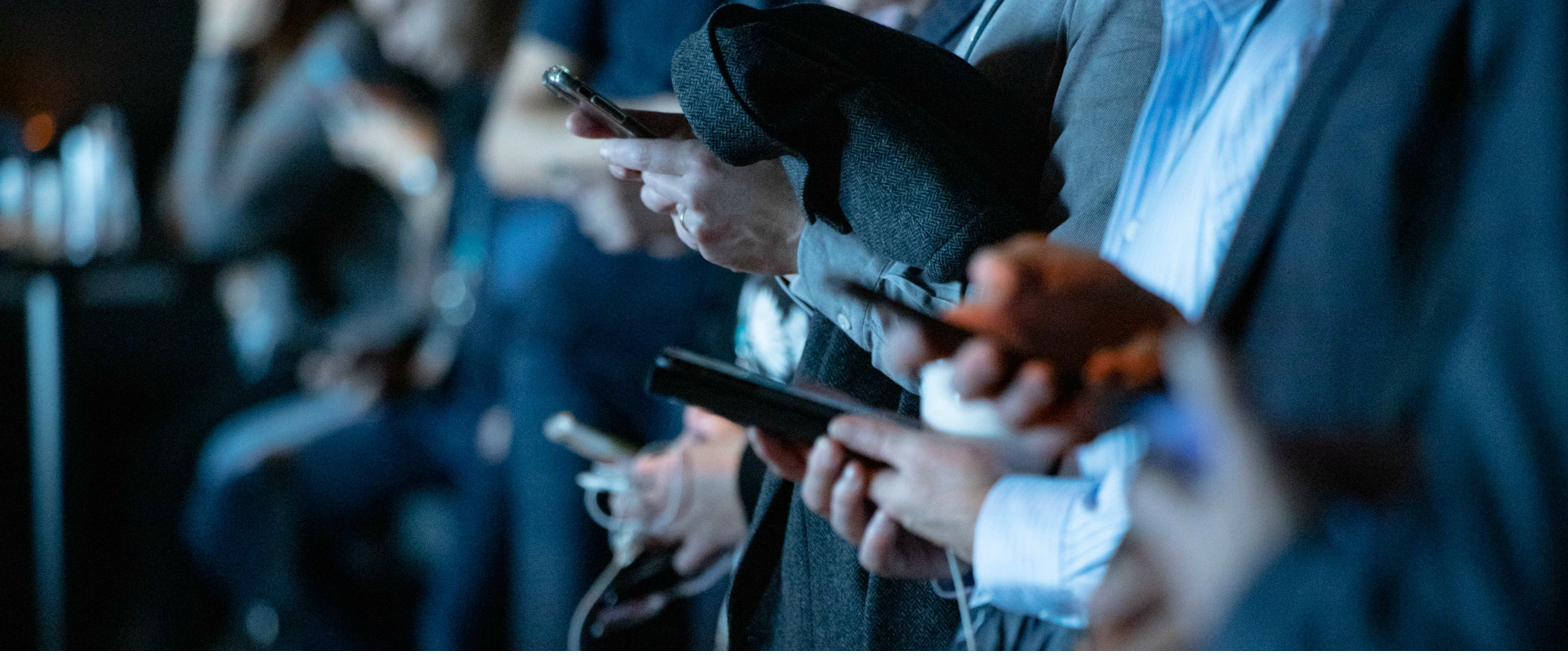
Featured image: People on smartphones - Photo by Camilo Jimenez on Unsplash
Overview
In an age of infinite scrolls, constant notifications, and algorithmic feeds designed to capture our attention, understanding and managing our relationship with digital technology has become essential. “The Battle for Attention” is an ongoing exploration of how modern technology platforms compete for our most valuable resource: our attention.
The Attention Economy
Our attention has become a commodity. Social media platforms, news sites, and digital services compete fiercely for our eyeballs and engagement. The metrics are clear:
- Time on site - How long can they keep you scrolling?
- Daily active users - Can they make visiting a habit?
- Engagement - Will you like, comment, share?
- Return rate - Will you come back tomorrow?
Every feature, notification, and design choice is optimized to maximize these metrics. Understanding this helps us recognize when we’re being manipulated versus when we’re genuinely choosing how to spend our time.
Key Themes
The Cost of Distraction
Constant context-switching and interruptions fragment our attention. Research shows:
- It takes 23 minutes on average to refocus after an interruption
- Multitasking reduces productivity by up to 40%
- Notification-driven anxiety is a real phenomenon
- Deep work and creative thinking require sustained attention
The cumulative effect of thousands of micro-interruptions is significant cognitive depletion.
Social Media Paradox
Social media promised connection but often delivers something different:
- Curated realities - Everyone shows their highlight reel
- Comparison anxiety - FOMO (Fear of Missing Out)
- Echo chambers - Algorithmic filtering of diverse viewpoints
- Outrage optimization - Controversial content drives engagement
Yet it also enables:
- Maintaining distant relationships
- Finding communities of interest
- Mobilizing social movements
- Sharing knowledge rapidly
The challenge is using these tools intentionally rather than reflexively.
Reclaiming Agency
This project explores practical strategies for regaining control:
- Awareness - Understanding the mechanisms of attention capture
- Boundaries - Creating time and space free from digital intrusion
- Intentionality - Choosing how to engage rather than reacting
- Alternatives - Rediscovering slower, deeper forms of engagement
Personal Experiments
Through this project, I’ve documented various approaches to managing digital attention:
Structured Disconnection
- Unsocial Sundays - Regular digital sabbaths
- Device-free evenings - Protecting family time
- Notification audits - Ruthlessly pruning interruptions
Intentional Engagement
- Time-boxing social media - Specific windows rather than constant checking
- Purpose-driven usage - “What am I here to accomplish?”
- Exit strategies - Deciding in advance when to leave platforms
Content Creation vs. Consumption
Shifting the balance from passive consumption to active creation:
- Writing - Synthesizing thoughts requires focus
- Podcasting - Long-form conversation as antidote to soundbites
- Making things - Creating requires sustained attention
Research Context
This personal exploration connects to broader research in:
Human-Computer Interaction
- Persuasive design and dark patterns
- Attention-aware interfaces
- Notification systems and interruption management
Psychology
- Addiction and habit formation
- Cognitive load and working memory
- Decision fatigue and willpower depletion
Media Studies
- Platform economics and surveillance capitalism
- Content moderation and algorithmic curation
- Digital literacy and critical media consumption
Evolving Insights
What Works
Creating friction - Making distraction slightly harder breaks automatic habits. Logging out of social media, removing apps from home screen, or using website blockers all increase the gap between impulse and action.
Replacement behaviours - It’s easier to replace a habit than eliminate it. Reaching for a book instead of a phone, or going for a walk instead of doomscrolling, provides the “break” you’re seeking without the attention drain.
Environmental design - Phone in another room, computer with no social media logged in, physical books visible – our environment shapes our behaviour more than willpower does.
Rhythms and rituals - Regular patterns create structure. Morning pages before checking email, device-free dinners, weekend digital sabbaths – predictable boundaries are easier to maintain than ad-hoc decisions.
What’s Hard
Professional expectations - Academic work increasingly expects constant connectivity and social media presence for “impact” and “engagement.”
Genuine utility - These platforms do provide real value: staying in touch, professional networking, discovering ideas. The challenge is extracting the good without getting trapped in the bad.
Addiction by design - These systems are built by the smartest engineers using psychological research to maximize engagement. Individual willpower is no match for institutional manipulation.
Social pressure - When everyone else is on the platforms, opting out has costs: missed invitations, reduced visibility, social awkwardness.
Ongoing Questions
- Can we have the benefits of connection without the costs of constant attention disruption?
- Are “digital wellbeing” features by platforms genuine or just new ways to keep us engaged?
- What would truly humane technology look like?
- How do we teach the next generation to navigate this landscape?
- What’s the relationship between attention management and larger issues of autonomy and agency?
Related Work
This project intersects with work by:
- Cal Newport on deep work and digital minimalism
- Tristan Harris and the Center for Humane Technology
- Shoshana Zuboff on surveillance capitalism
- Jenny Odell on doing nothing
- danah boyd on social media and youth
A Living Project
This isn’t a solved problem with neat conclusions. It’s an ongoing practice of:
- Noticing when attention is captured vs. freely given
- Experimenting with boundaries and alternatives
- Sharing insights and learning from others
- Accepting imperfection while pursuing improvement
The goal isn’t digital abstinence or technological Luddism. It’s conscious, intentional engagement with tools that are designed to make us unconscious and compulsive.
Practical Outcomes
Through this project I’ve:
- Reduced daily social media time by ~75%
- Regained capacity for sustained reading (30+ books/year)
- Published long-form writing requiring deep thinking
- Maintained valuable connections while reducing noise
- Felt less anxious and more in control
Not through superhuman willpower, but through:
- Understanding the mechanisms
- Designing better defaults
- Creating supportive structures
- Accepting gradual progress
Resources
The blog posts in this series document specific experiments, insights, and struggles in real-time. They’re snapshots of an evolving practice, not prescriptive advice. Your mileage may vary.
What matters isn’t copying someone else’s approach, but developing your own conscious relationship with technology – one where you’re using the tools rather than being used by them.