Climate Action: Personal Carbon Accounting
ongoingTracking, understanding, and reducing personal carbon footprint through systematic auditing and behaviour change
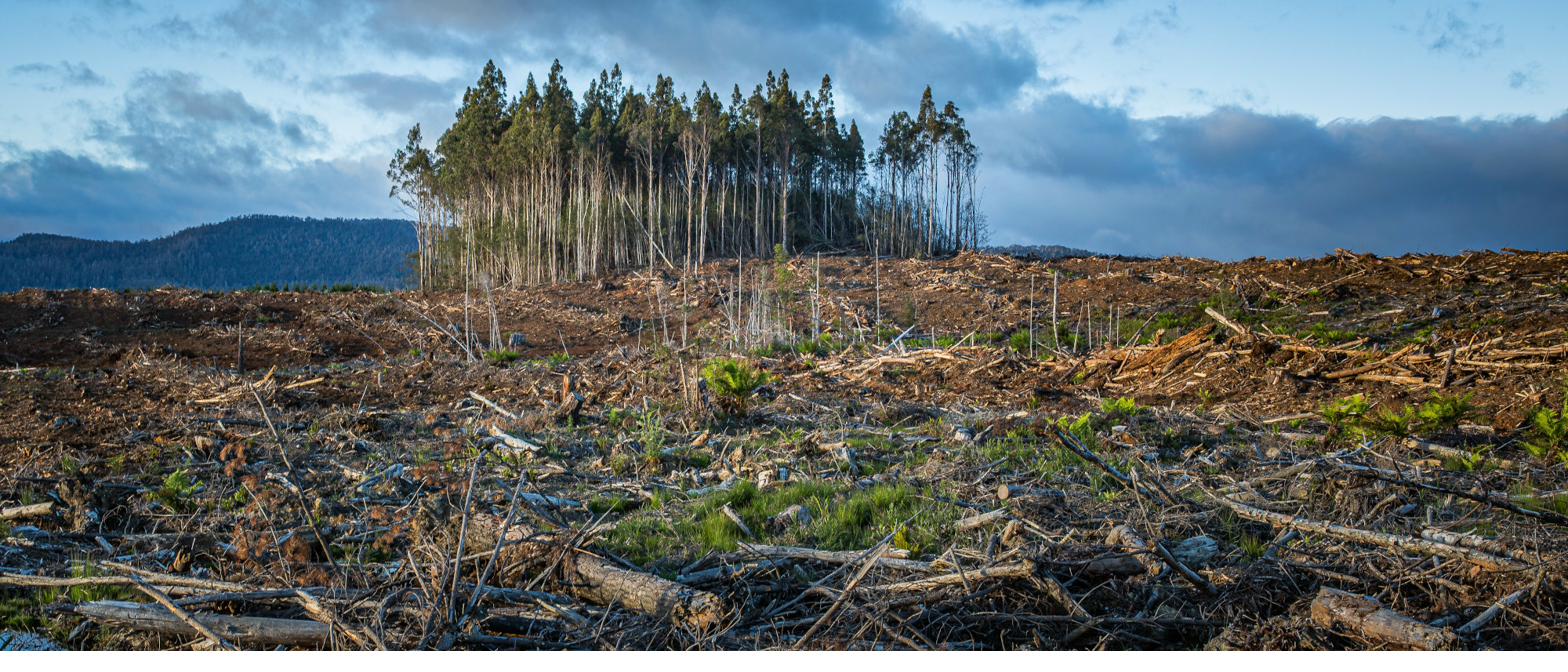
Featured image: Destroyed Forest with Standing Trees - Photo by Matt Palmer on Unsplash
Overview
It’s become obvious that to address climate change and our world’s spiralling economic disconnects, a lot of us are going to have to have less, build less, and want less. The key phrase here is “want less” – if we don’t want less, then we will never achieve systemic “sticky” changes.
Safe to say that we need to make “less” a virtue. I really think this is coming. We need to want less but better – things that let us reduce by adding quality. “Less” is just a category that allows me to group my thinking about how I personally might go about this.
Motivation
This project emerged from a personal commitment to understand and reduce my carbon footprint. Rather than relying on abstract targets or general advice, I wanted to:
- Measure precisely - Track actual carbon emissions from travel, energy use, and consumption
- Understand patterns - Identify the biggest contributors to my footprint
- Change behaviour - Make evidence-based decisions about reduction strategies
- Document progress - Create a transparent record of changes over time
Methodology
Annual Carbon Audits
Since 2019, I’ve conducted detailed annual audits of my carbon footprint, tracking:
- Transportation: Flights, trains, cars, and local travel
- Energy: Home electricity and heating
- Consumption: Major purchases and their embedded carbon
- Work-related: Conference travel and university activities
Each audit uses consistent methodology to enable year-on-year comparisons.
Carbon Currency Concept
I’ve developed a personal “carbon currency” approach where I:
- Calculate my annual carbon budget
- “Spend” carbon on activities throughout the year
- Make trade-offs between different carbon-intensive activities
- Track remaining budget in real-time
This reframes carbon as a finite resource to be managed carefully.
Key Findings
Transportation Dominates
Across all audit years, long-distance travel (especially international flights) represents the largest single contributor to my carbon footprint. A single transatlantic flight can equal months of home energy use.
Lockdown Impact
The 2020 COVID-19 lockdown provided a natural experiment, showing dramatic reductions possible through eliminated travel, though this wasn’t sustainable or desirable long-term.
Incremental Changes Matter
Year-on-year analysis reveals that:
- Switching to green energy tariffs made immediate impact
- Reducing flight frequency (not just distance) is most effective
- Local transport choices compound over time
- Home improvements have lasting benefits
Practical Changes Implemented
Based on audit findings, I’ve made these concrete changes:
- Travel: Prioritised train over plane for European travel
- Energy: Switched to renewable energy suppliers
- Home: Improved insulation and heating efficiency
- Work: Advocated for virtual conference attendance options
- Consumption: Extended product lifespans, bought less but better
Offsetting and Sequestration
The project also explores:
- Carbon offsetting - When and how it makes sense
- Tree planting - Real sequestration rates and timeframes
- Verification - Which schemes are legitimate
- Personal action - Direct sequestration through rewilding
Ongoing Development
This remains an active project with annual updates. Current focus areas:
- Refining measurement methodology
- Exploring new reduction opportunities
- Investigating long-term sequestration options
- Sharing learnings with colleagues and students
Broader Context
This personal accounting exercise connects to larger questions:
- What’s a fair individual carbon budget?
- How do personal actions relate to systemic change?
- Can voluntary reduction scale to necessary levels?
- What role for technology vs. behaviour change?
The annual audits serve as both personal accountability and a small contribution to understanding what individual climate action looks like in practice.
Resources
All audit data and methodology are documented in the related blog posts, providing a transparent record of approach and findings that others might adapt for their own carbon accounting.