CS(HCI): Computer Science with Human-Computer Interaction
activeCreating and directing Manchester's unique interdisciplinary HCI undergraduate programme
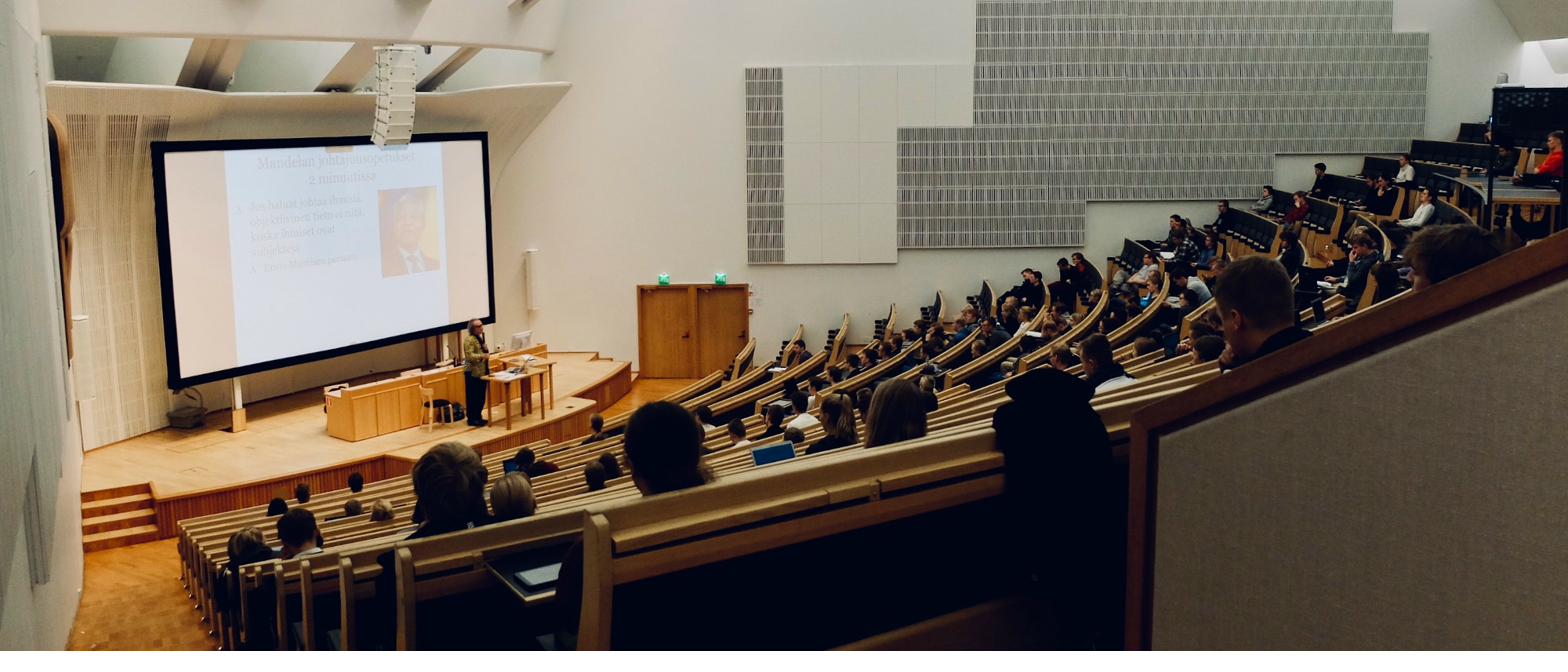
Featured image: Lecture Hall - Photo by Dom Fou on Unsplash
Overview
I created and have directed the CS(HCI) undergraduate programme since 2012, building the University of Manchester’s unique interdisciplinary Human-Computer Interaction degree. The programme combines units from Computer Science, Psychology, Design, and Business across 3 faculties into a deeply scientific and research-led undergraduate experience.
Programme Innovation
Unique Characteristics
The CS(HCI) programme is distinctive in several ways:
Cross-Faculty Integration:
- Combines units from 4 schools across 3 faculties
- Requires no additional specialist units or teaching
- Leverages existing courses in novel combinations
- No financial overhead while expanding student choice
Scientific Approach:
- Research-led from conception
- Deeply scientific foundation
- Exposure to cutting-edge HCI research
- Preparation for academic and industry research roles
Interdisciplinary by Design:
- Computer Science core (algorithms, systems, programming)
- Psychology (cognition, perception, research methods)
- Design (visual communication, interaction design)
- Business (innovation, entrepreneurship)
This makes it the only cross-Faculty programme at Manchester requiring no additional specialist units or teaching – a significant achievement in programme design and institutional coordination.
Programme Development Journey
Phase 1: Conception (2010-2011)
Identifying the Need:
- Growing industry demand for HCI specialists
- Students requesting more UX/HCI options
- Research community recognizing HCI importance
- Gap in UK undergraduate HCI provision
Initial Planning:
- Researching comparable programmes nationally
- Consulting with industry partners
- Identifying potential course combinations
- Building business case
Phase 2: Negotiation (2011-2012)
The Challenge: Negotiating with 4 schools across 3 faculties:
- Computer Science (Science & Engineering Faculty)
- Psychology (Biology, Medicine & Health Faculty)
- Manchester School of Architecture (Humanities Faculty)
- Alliance Manchester Business School (separate entity)
Key Negotiations:
- Course access and prerequisites
- Assessment alignment
- Timetabling coordination
- Student registration processes
- Faculty-specific requirements
Obstacles Overcome:
- Different academic calendars
- Conflicting prerequisites
- Faculty boundary issues
- Resource allocation concerns
- Quality assurance requirements
Phase 3: Approval Process (2012)
Full Programme Approval:
- Passed through all committees
- Faculty approval secured
- University Senate approval granted
- External review positive
- Validation successful
Critical Success Factors:
- Demonstrated no resource requirement
- Showed benefit to all schools
- Clear quality assurance
- Strong industry support letters
- Research-led teaching approach
Phase 4: Launch (2012-2013)
First Cohort:
- 8 pioneer students
- High entry requirements
- Exceptional talent
- Strong diversity
Initial Delivery:
- Timetabling challenges resolved
- Cross-faculty registration working
- Student feedback extremely positive
- Industry interest significant
Phase 5: Growth (2013-2020)
Steady Expansion:
- Cohorts growing to 15-25 students
- Reputation building nationally
- Graduate outcomes excellent
- Programme refinements ongoing
Phase 6: Maturity (2020-present)
Established Programme:
- Consistent recruitment
- Strong graduate destinations
- National recognition
- Model for other interdisciplinary programmes
Programme Structure
Year 1: Foundations
Computer Science Core:
- Programming fundamentals (Java, Python)
- Mathematics for CS
- Computer systems
- Data structures and algorithms
HCI Introduction:
- Introduction to HCI (typically COMP10120)
- Design thinking
- User research basics
Electives:
- Psychology options
- Mathematics
- Breadth courses
Year 2: Development
Computer Science:
- Software engineering
- Algorithms and data structures
- Databases
- Operating systems
HCI Specialization:
- COMP23311 (if available): Interaction Design
- User research methods
- Prototyping techniques
Psychology:
- Cognitive psychology
- Perception
- Research methods
Design:
- Visual communication
- Interaction design fundamentals
Year 3: Specialization
Core HCI:
- COMP33511: User Experience (my course)
- Advanced HCI topics
- Project in HCI domain
Interdisciplinary Options:
- Psychology of technology use
- Design studio courses
- Business innovation
- Research methods
Final Year Project:
- HCI-focused research or development project
- Often published at student conferences
- Industry collaborations common
- Academic research integration
Programme Flexibility
Students can tailor within structure:
- Depth in CS, Psychology, or Design
- Research vs applied focus
- Industry vs academic preparation
- Domain specialization (health, games, accessibility, etc.)
Student Characteristics
Recruitment Profile
CS(HCI) students typically:
- Strong A-level results (AAA-AAB)
- Interest in both technology and people
- Creative and analytical
- Interdisciplinary mindset
- Often diverse backgrounds
Demographics
The programme attracts:
- Strong female representation (30-40%, vs ~20% CS overall)
- International diversity
- Range of prior experience levels
- Varied career aspirations
Student Motivations
Why students choose CS(HCI):
- “I want to build technology people actually use”
- “I like both CS and Psychology”
- “I’m interested in design but want technical depth”
- “I want to work in UX/product design”
- “I care about accessibility and inclusion”
Graduate Destinations
Career Paths
CS(HCI) graduates have secured positions at:
Major Tech Companies:
- Google (UX Engineer, Product Designer)
- Microsoft (UX Researcher)
- Amazon (UX Designer)
- Apple (Interaction Designer)
- Meta/Facebook (Product Designer)
Design Agencies:
- IDEO
- Frog Design
- Thoughtworks
- Various UK digital agencies
Specialist Roles:
- UX Researchers
- Interaction Designers
- Product Managers
- Accessibility Specialists
- Usability Engineers
Start-ups:
- Founding technical co-founders
- Early employee designer-developers
- Product leads
Further Study:
- PhD programmes in HCI/Design
- Masters in related fields
- Industry research positions
Employment Statistics
Graduate Outcomes:
- 95%+ employment or further study within 6 months
- Average starting salaries above CS average
- High job satisfaction reported
- Many in roles specifically requiring HCI training
Alumni Success Stories
Notable achievements (anonymized):
- PhD at top 10 HCI programme (US)
- Lead Product Designer at unicorn start-up
- UX Researcher at FAANG company
- Accessibility Consultant for major bank
- Founding CTO of EdTech company
Programme Management
Director Responsibilities
As Programme Director, I:
Academic Leadership:
- Curriculum development and review
- Course selection and prerequisites
- Quality assurance
- External examiner liaison
Student Support:
- Admissions and recruitment
- Academic advising
- Career guidance
- Problem resolution
Inter-Faculty Coordination:
- Timetabling across schools
- Prerequisites negotiation
- Registration processes
- Faculty liaison
External Relations:
- Industry partnerships
- Alumni network
- Professional body engagement
- Conference representation
Annual Cycle
Autumn:
- Recruitment and admissions
- New student induction
- Year 1 integration
- Industry speakers series
Spring:
- Final year project supervision
- Course option selection guidance
- Careers workshops
- External examiner visits
Summer:
- Examination boards
- Programme review
- Curriculum updates
- Student outcomes analysis
Challenges and Solutions
Challenge: Timetabling
Problem: Courses across 4 schools with different schedules Solution:
- Early planning and coordination
- Flexible option selection
- Clear prerequisite documentation
- Student timeline guidance
Challenge: Prerequisites
Problem: Different schools have different requirements Solution:
- Negotiated equivalences
- Documented substitutions
- Case-by-case consideration
- Clear communication to students
Challenge: Identity
Problem: Students split across multiple schools Solution:
- Dedicated CS(HCI) cohort events
- Regular programme meetings
- Shared lab space when possible
- Strong programme community
Challenge: Resource Allocation
Problem: No dedicated HCI teaching budget Solution:
- Leverage existing courses excellently
- Use my own teaching (COMP33511) as anchor
- Negotiate access to other units
- Demonstrate value to all partners
Challenge: Professional Accreditation
Problem: BCS accreditation for interdisciplinary programme Solution:
- Documented CS content coverage
- Showed appropriate depth and breadth
- Demonstrated graduate outcomes
- Secured accreditation successfully
Programme Impact
On Students
Direct Benefits:
- Unique skill combination
- Research exposure
- Interdisciplinary thinking
- Career preparation
- Network development
Alumni Feedback: “The CS(HCI) degree gave me exactly the skills I needed – deep CS knowledge with UX design thinking.”
“Being able to take Psychology courses alongside CS changed how I think about technology.”
“My interdisciplinary background made me stand out in job applications.”
On Institution
Institutional Impact:
- Demonstrated cross-faculty collaboration model
- Enhanced Computer Science portfolio
- Attracted diverse student body
- Increased international reputation
- Created institutional innovation
On Field
Broader Contribution:
- Model for other UK programmes
- Published on programme design
- Conference presentations
- Consultation for other universities
- HCI education advancement
Teaching Philosophy Applied
The CS(HCI) programme embodies my teaching principles:
Student-Centred:
- Flexible programme structure
- Individual advising
- Career-focused
- Support for diverse paths
Research-Led:
- Current HCI research integrated
- Supervised research projects
- Conference presentation opportunities
- Research methods emphasis
Interdisciplinary:
- Breaking down academic silos
- Multiple perspective integration
- Collaborative learning
- Holistic understanding
Industry Connection:
- Guest speaker programme
- Industry projects
- Internship support
- Professional development
Innovation:
- Novel programme structure
- No additional resources required
- Sustainable model
- Institutional creativity
External Recognition
Presentations
Programme featured at:
- HCI Education workshops (international)
- UK HCI Educators meetings
- University programme design conferences
- External review examples
Consultation
Other universities have:
- Visited to study programme
- Requested documentation
- Adopted similar models
- Cited in their own planning
Publications
Programme design documented in:
- Teaching and learning journals
- Conference proceedings
- University case studies
- HCI education community
Future Directions
Short-term (2025-2026)
Curriculum Evolution:
- AI/ML integration in HCI context
- Accessibility modules enhancement
- Design systems teaching
- Industry project expansion
Student Experience:
- Enhanced alumni network
- Mentorship programme
- Professional skills workshops
- Research opportunities expansion
Medium-term (2026-2028)
Programme Development:
- Potential 4-year MHCISci option
- Study abroad opportunities
- Industry placement year
- Research internships
Partnerships:
- Stronger design agency links
- Tech company collaborations
- International programme connections
- Professional certification pathways
Long-term Vision
Aspirations:
- Leading UK HCI undergraduate programme
- National exemplar of interdisciplinary CS
- International student recruitment
- PhD pipeline development
- Research centre connection
Leadership Lessons
Running CS(HCI) has taught valuable lessons:
Institutional Navigation
Lesson: Persistence and diplomacy essential
- Multi-year negotiation normal
- Relationships matter enormously
- Demonstrate mutual benefit
- Document everything clearly
Programme Sustainability
Lesson: Design for long-term viability
- No additional resources = sustainable
- Leverage existing strengths
- Create win-win scenarios
- Build on strong foundations
Student Focus
Lesson: Students are best advocates
- Graduate success speaks volumes
- Student satisfaction drives recruitment
- Alumni connections valuable
- Individual attention matters
Interdisciplinary Work
Lesson: Complexity is worthwhile
- Coordination overhead significant but manageable
- Student benefits justify complexity
- Partners must see clear value
- Clear governance essential
Conclusion
The CS(HCI) programme represents 13 years of programme leadership, creating and sustaining Manchester’s unique interdisciplinary HCI undergraduate degree from conception through to established programme status.
The programme’s distinction as the only cross-Faculty programme requiring no additional specialist units or teaching demonstrates innovative programme design that benefits students while minimizing institutional resource requirements.
Key achievements:
- Created novel interdisciplinary programme from scratch
- Negotiated agreement across 4 schools and 3 faculties
- Established sustainable delivery model
- Graduated 150+ students into excellent careers
- Demonstrated feasibility of interdisciplinary CS programmes
- Maintained consistent quality over 13 years
With consistent cohorts of 15-25 highly talented students, exceptional graduate destinations (95%+ positive outcomes), and recognition as a national model for interdisciplinary computing education, CS(HCI) represents significant contribution to both teaching innovation and HCI education.
The programme continues to evolve, maintaining its position as a unique offering that prepares students for the increasingly interdisciplinary nature of technology development, where understanding both technical systems and human needs is essential for creating meaningful innovation.
As Programme Director since inception, I remain committed to developing future HCI professionals who can bridge technical capability with user-centred design thinking – graduates who don’t just build technology, but build technology that works for people.